Now Accepting New Patients · Complimentary Implant Consultations
Same-Day Aesthetic Surgery

Anterior Immediate Implants

Walk in with a failing front tooth. Walk out with a complete smile — same day. The most aesthetically demanding procedure in implant dentistry, performed with X-Nav dynamic navigation, custom temporary delivery, and obsessive attention to the visible result.

Single-Visit Surgery
Same-Day Temporary
No Visible Gap
X-Nav Guided
At a Glance
Same-Day Treatment
  • Surgery Length ~90 minutes
  • Extraction & Placement Same Visit
  • Temporary Tooth Same Day
  • Surgical Guidance X-Nav Dynamic
  • Healing 3–4 months
  • Final Crown Custom Zirconia
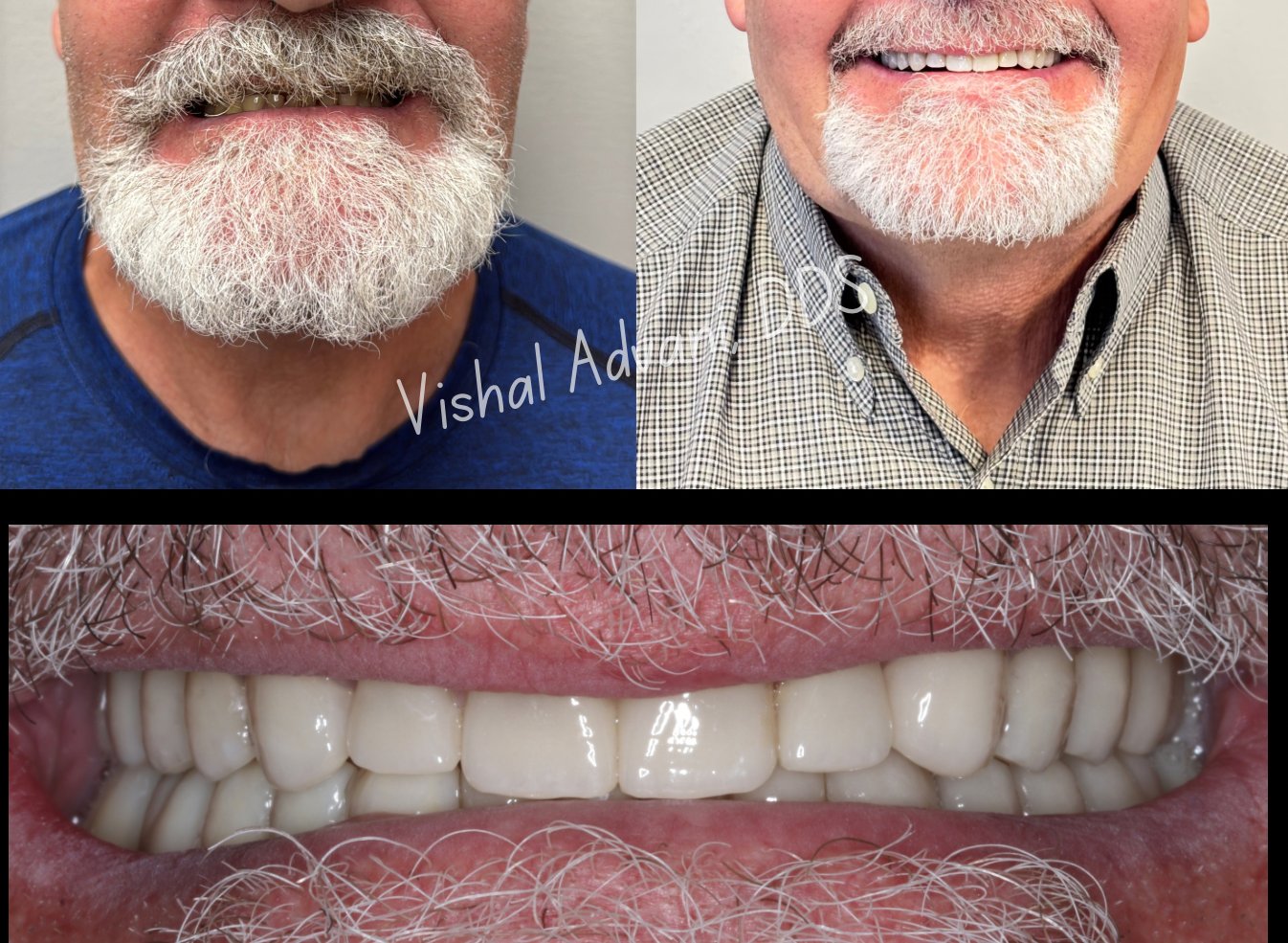
Anterior immediate implant — final result
Understanding Anterior Immediates

Extract, place, restore. One visit.

Traditional implant treatment for a failing front tooth involves three separate stages: extraction (with months of healing), implant placement (with months more healing), and finally the crown. The patient lives without a visible front tooth — or with an awkward removable flipper — for most of a year.

Anterior immediate placement compresses this to a single surgical visit. The failing tooth is extracted, the implant is placed in the same socket, and a custom-shaped temporary crown is delivered the same day. You leave with a complete smile that looks indistinguishable from your natural teeth — even though osseointegration is still occurring beneath the surface.

For visible front teeth, the question isn't whether you'll get an implant. It's whether you'll wear a gap or a flipper for six months — or walk out the day of surgery with a tooth.

The technique is demanding. The buccal bone in the anterior maxilla is naturally thin, the gum biotype is often delicate, and the aesthetic margin for error is essentially zero. This is exactly why we use X-Nav dynamic navigation for these cases — sub-millimeter precision is the difference between a result that looks natural and one that looks like an implant.
Why Same-Day Matters

The aesthetic argument for immediate placement.

Beyond the obvious convenience, immediate anterior placement has a real biological advantage: the gum tissue around the extraction site doesn't have time to collapse. The natural papilla (the gum between teeth) and the buccal contour are preserved as they were before extraction.

In a delayed protocol, by contrast, the body begins reabsorbing both bone and soft tissue within weeks of extraction. By the time the implant is placed months later, the gum architecture has changed — and the final crown often requires either grafting to rebuild what was lost, or a compromise on aesthetics.

Time is tissue. Immediate placement preserves what nature already created — and that preserved foundation is what makes the final aesthetic result possible.

The Single-Day Workflow

From failing tooth to finished smile.

A single surgical visit replaces what used to take multiple appointments over many months. Here's exactly what happens.

Pre-Op · Before Surgery Day

CBCT, Digital Plan & Temporary Design

A 3D CBCT scan and intraoral scan are captured. The implant position is planned digitally, and the temporary crown is designed in advance using your existing tooth as the reference. The temporary is fabricated and ready before you arrive on surgery day.

I
II
Surgery Day · ~30 minutes

Atraumatic Extraction

Under local anesthesia (IV sedation if preferred), the failing tooth is removed using atraumatic technique that preserves the surrounding bone and gum tissue. No flap is raised in most cases — the goal is to disturb as little tissue as possible.

Surgery Day · ~30 minutes

Implant Placement with X-Nav

The implant is placed using X-Nav dynamic navigation following the digital plan exactly. Real-time visual confirmation of position, angle, and depth ensures the implant is placed for both biological success and ideal final crown emergence.

III
IV
Surgery Day · ~30 minutes

Custom Provisional Delivery

The pre-fabricated temporary crown is fitted, adjusted, and delivered. Designed to support the gum tissue and shape it as it heals, the provisional looks and functions like a real tooth from the moment you leave the office.

3–4 Months · Healing Period

Osseointegration & Tissue Maturation

The implant integrates with the bone while the gum tissue heals around the provisional. The provisional is fully functional during this period — most patients have no functional or aesthetic limitations.

V
VI
Final Visit · ~1 hour

Permanent Zirconia Crown

A digital scan captures the matured tissue architecture, and a custom zirconia crown is fabricated and delivered. This is your long-term restoration — designed to look indistinguishable from your natural teeth and last decades.

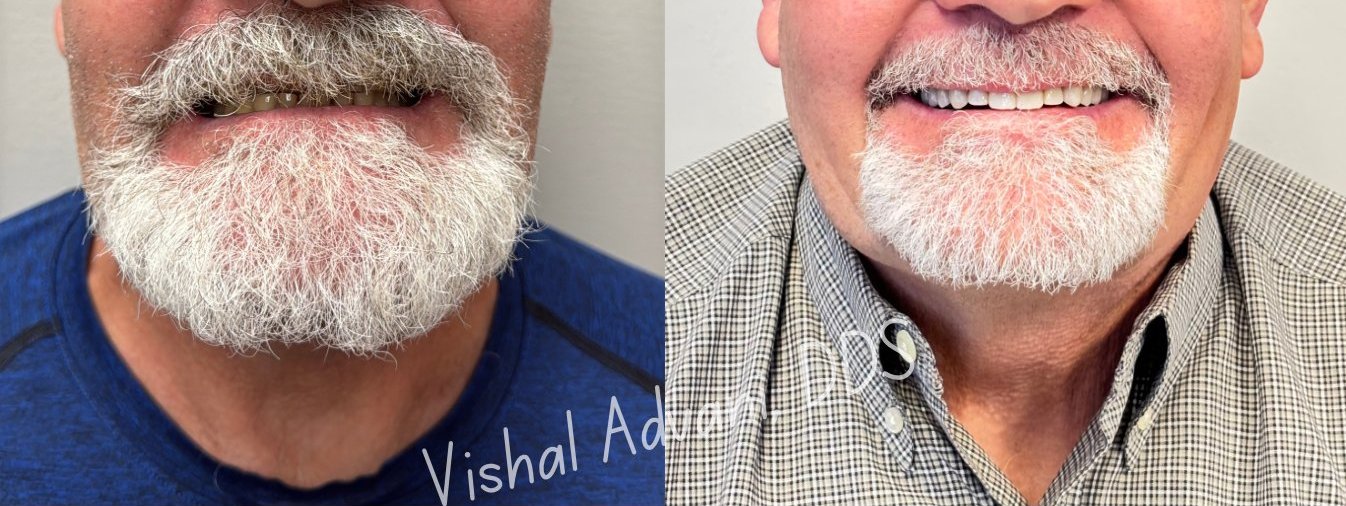
Anterior immediate restoration result
Candidacy

Is anterior immediate right for you?

Most patients with a failing or recently lost anterior tooth are candidates for immediate placement. The decision comes down to your specific anatomy, the condition of the bone surrounding the tooth, and the overall health of the surrounding tissue.

  • I

    A failing or fractured front tooth

    The most common scenario. A tooth needs to come out — typically due to fracture, deep decay, or root resorption — and you need a replacement plan.

  • II

    Adequate buccal bone

    The bone on the cheek-side of the tooth must be intact (this is verified with the CBCT scan). For cases with damaged buccal bone, FP1 surgery with socket shield techniques may be a better option.

  • III

    Healthy adjacent teeth

    The teeth on either side should be healthy or stable. If they have their own issues, those are addressed first or as part of a comprehensive plan.

  • IV

    No active infection at the site

    Active infection or significant inflammation at the extraction site may require staged treatment. Most cases that have been managed appropriately are candidates.

  • V

    Aesthetic priority

    Anterior immediate placement is most beneficial for patients for whom the visible appearance matters — anyone with a public-facing job, professional speakers, or anyone who simply doesn't want to wear a gap or flipper.

Common Questions

Anterior immediate placement answered.

  • Will my temporary look like my real tooth?+
    Yes. The temporary is custom-shaped using your existing tooth (or, if it's already missing, a digital design based on your other teeth) as the reference. Most patients say no one notices the difference. The temporary isn't designed for full chewing forces, but for normal eating, speaking, and smiling, it functions like a real tooth.
  • How is this different from FP1 surgery?+
    FP1 surgery uses biological preservation techniques (socket shield, root membrane, etc.) at the time of extraction to maximally preserve the surrounding tissue — it's the most aesthetically refined approach available. Anterior immediate placement is the broader category that may or may not include those biological techniques. For visible-zone teeth where aesthetics matter most, FP1 is often the right answer. The CBCT and consultation determine which approach fits your specific case. Learn more about FP1 surgery →
  • What if my bone has already shrunk after the tooth was lost?+
    If significant time has passed since extraction and bone has resorbed, true immediate placement may not be possible — but several alternatives exist: ridge preservation grafting, then placement; staged grafting and placement; or in some cases, alternative anchorage strategies. The CBCT will tell us exactly what your situation allows.
  • How long does the surgery take?+
    Typically 60-90 minutes from extraction through provisional delivery. Many patients are surprised by how quickly the procedure is completed — when the planning is thorough and the workflow is digital, the surgery itself is efficient.
  • What can I eat while healing?+
    Soft foods for the first 1-2 weeks. The provisional is designed to handle normal eating, but during initial healing it's wise to avoid hard foods like raw vegetables, hard nuts, or crusty bread. Most patients return to a normal diet by the second week, with the exception of biting hard foods directly with the front tooth (we recommend cutting and chewing with your back teeth during the integration phase).
  • Do I need IV sedation?+
    Most single anterior immediate cases can be performed comfortably under local anesthesia alone. IV sedation is available and chosen by some patients for comfort or anxiety reasons. Both options are discussed at your consultation.
  • How much does it cost?+
    A single anterior immediate implant with provisional and final crown typically ranges $5,000-$7,500 depending on individual case complexity, materials selected, and whether biological preservation techniques (FP1 protocols) are part of the plan. Specific pricing is reviewed transparently at your consultation. Financing options through CareCredit, Cherry, and Proceed Finance are available.
Your Next Step

Don't wait six months for a smile.

A complimentary consultation includes a CBCT scan and a digital preview of your predicted aesthetic outcome. For a failing front tooth, the conversation is the most important first step — the rest of the timeline can move quickly.